Soil Degradation Crisis: Solutions & How Environmental Commitment Drives Conservation
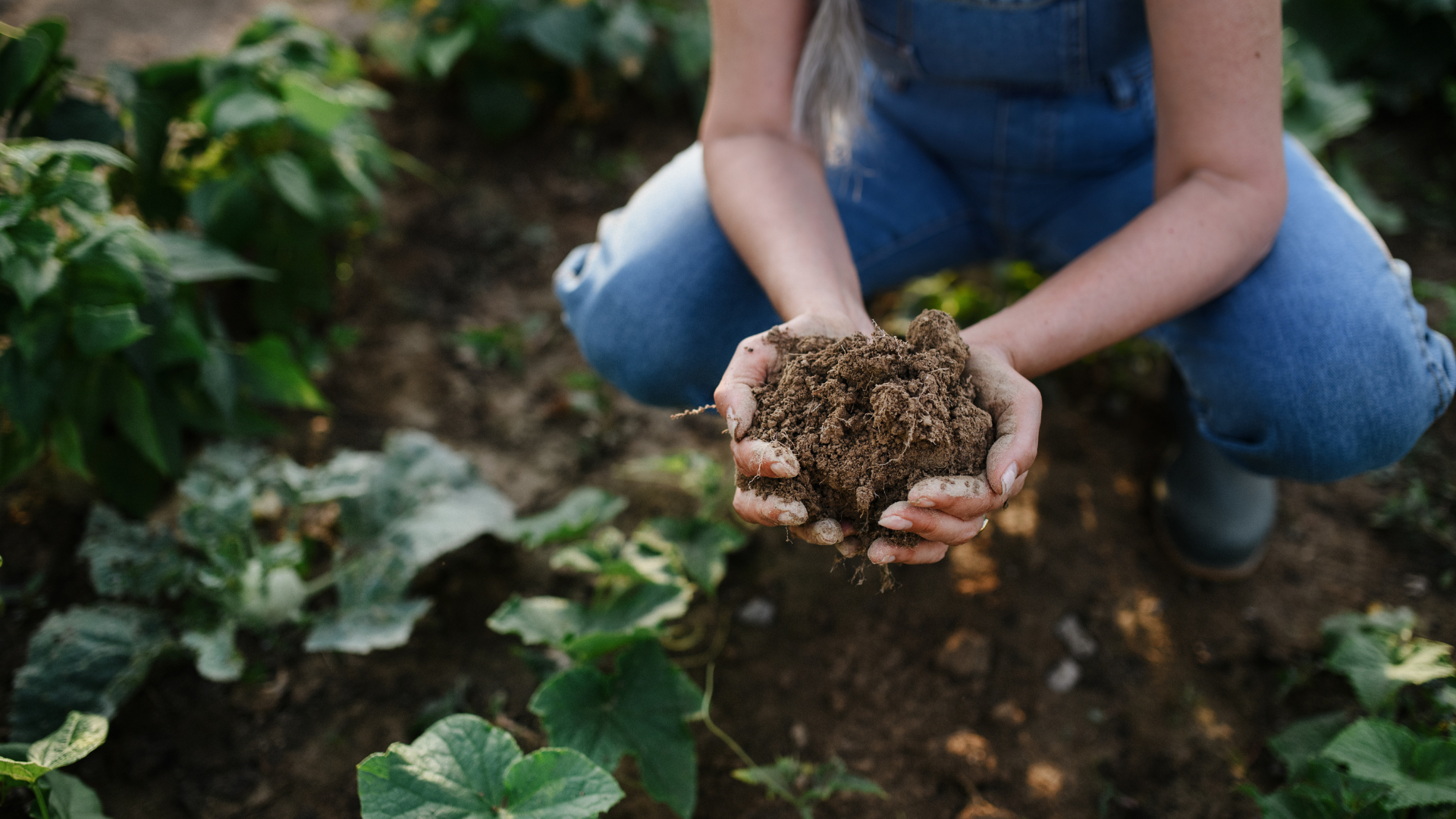
We lose 24 billion tons of fertile soil every year. At this rate, we have roughly 60 harvests left before the soil can no longer feed us.
Sixty harvests. That's about 60 years if you account for crop rotation and seasons.
This is the crisis nobody talks about because it happens underground.
Soil degradation is often overlooked compared to water shortage, air pollution, and climate change, yet it's equally critical. This guide explores how personal environmental commitment can drive soil conservation.
The Invisible Apocalypse
Soil doesn't seem important. It's just dirt. But soil is life. It feeds us. It filters water. It stores carbon. It's the foundation of all agriculture.
And we're destroying it.
- 33% of the world's soils are already degraded
- Soil is eroding 24x faster than it forms
- Industrial agriculture depletes soil in decades (should take thousands of years to form)
- If current trends continue, the world has 60 harvests left
"Soil is not renewable in any meaningful timeframe. Once it's gone, it's gone for human civilization."
Why This Matters Now
You might think soil degradation is a distant problem. It's not. Soil depletion is happening now in places like India, China, and the American Midwest.
When soil can no longer support crops:
- Food prices spike (soil degradation already reduces yields 20-25%)
- Food security becomes national security
- Climate change accelerates (degraded soils release carbon)
- Migration increases (people leave regions that can't feed them)
Like other environmental crises, soil degradation requires collective witness that drives systemic policy change. When thousands commit to soil conservation, it creates measurable impact on agricultural policy.
The Hope: Regeneration Is Possible
Unlike some environmental crises, soil degradation is reversible. Regenerative agriculture can restore soil in years, not decades.
Some farmers have increased soil carbon by 50% in less than a decade by switching practices. It's possible. We know how to do it.
What we need is scale. We need millions of farmers, companies, and governments to commit to soil regeneration.
How Your Oath Helps
Recording an earth oath signals that you care about soil regeneration. When thousands of people record earth oaths, it creates demand for:
- Regenerative agriculture funding: Governments and investors back sustainable farming
- Corporate change: Food companies source from regenerative farms
- Policy support: Laws incentivize soil restoration over depletion
- Consumer demand: People choose products from regenerative systems
The Timeline
We have roughly 60 years before soil degradation becomes catastrophic. But we don't have to wait 60 years to act.
The earlier we transition to regenerative agriculture, the faster we restore soil health, the more secure our food future.
Every year we delay makes the solution harder. Every year we commit accelerates recovery.
What Regenerative Looks Like
Regenerative agriculture isn't complicated. It means:
- Rotating crops (so soil rests)
- Reducing tillage (which exposes soil and causes erosion)
- Adding organic matter (compost, cover crops, manure)
- Integrating livestock (grazing patterns that rebuild soil)
- Minimizing chemicals (letting soil biology thrive)
Farmers who do this report more productive land, lower input costs, and better profits. It's not a sacrifice—it's smarter farming.
Protect Our Soil Today
Record your commitment to soil conservation and earth protection.
Record Your Earth Oath →